

The uncertain future
of the global AIDS response

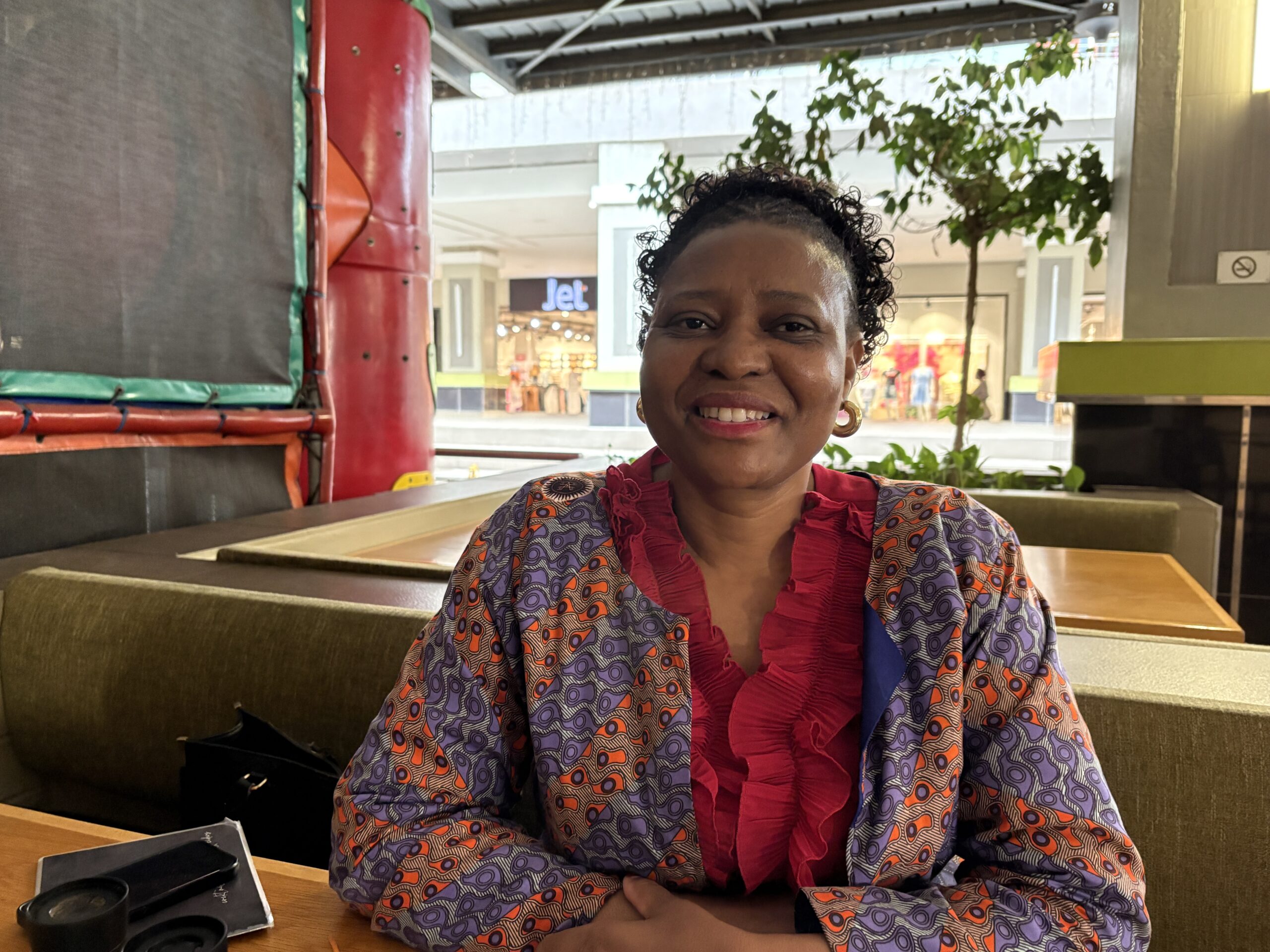
Cindy Kelemi

Location: Gaborone |
Date: 11/04/2025
Executive Director of the Botswana Network on Ethics, Law and HIV/AIDS
“What we are facing right now is the risk of total collapse.”

Cindy Kelemi has fought her share of battles.

Now the head of the Botswana Network on Ethics, Law and HIV/AIDS, Kelemi has been an HIV activist for nearly 25 years.

In that time, she advocated for Botswana’s government to provide drugs to pregnant refugees living with HIV to reduce the risk they would pass the disease to their newborns. Ahead of the release of a milestone national HIV strategy in 2003, she pressed officials to develop plans to support sex workers and other marginalized communities for the first time.

Then we also took government to court for the refusal to provide [HIV treatment] to foreign prisoners. We won and set a precedent that all prisoners, regardless of nationality, must have access to healthcare holistically.

The decades of experience did not prepare Kelemi on how to fight the current crisis. The Trump administration’s cuts to the U.S. President’s Emergency Plan for AIDS Relief, or PEPFAR, have wiped out HIV programs that were embedded in Botswana’s communities.

What was amazing about the PEPFAR funding was it ability to facilitate [non-governmental organizations] to go where the government cannot reach. Even in the cattle posts, those far-removed communities.

While the government focused on providing life-saving treatment, PEPFAR went deep into communities to encourage people to get tested and to connect them to the services they needed.

More than nine months later, Kelemi is still grappling with how abruptly it has all disappeared.

It was without prior warning, without preparation. I think that was more than withdrawing the funding. The greatest cost came from how it was done. Because overnight, populations that could not access services in health facilities because of stigma had to go there without prior warning. Without even counseling. Without even preparing the health facility to receive those clients. The service providers did not even have time to do a proper handover of these clients.

And what we are experiencing now is actually people who are lost to follow up as a result of this abrupt shift.

Activists like Kelemi are still trying to discern what services actually remain.

There are many organizations that are now semi-open, just to keep the doors open, but there aren’t any meaningful programs going on.

We lost people on the ground. They are no longer working for us or with us. It means whatever community systems that were established, they are currently not functional.

As she sees it, her new battle is to figure out how to restore those systems and make them sustainable.

Sustainability really is going to be very much dependent on domestic finding. So we have to find ways of sustaining these programs without looking to donors, because donors have taught us that their money is like a tap. You open it and close it anytime you want and without care for the consequences.

Except a fight for domestic funding could not have come at a worse time. Botswana is in the midst of an economic crisis. The country has relied on diamond sales to buoy its economy for decades. Now the diamond market has collapsed following the advent of lab-grown gems and amid a decline in global demand.

The government is now struggling to even maintain the HIV services it was already funding.

What we are facing right now is the risk of total collapse.

It is an outcome Kelemi refuses to accept. She just must figure out how to avert it.

Newsletter

For exclusive reporting on the impact of the U.S. aid cuts, subscribe to a free newsletter