

The uncertain future
of the global AIDS response

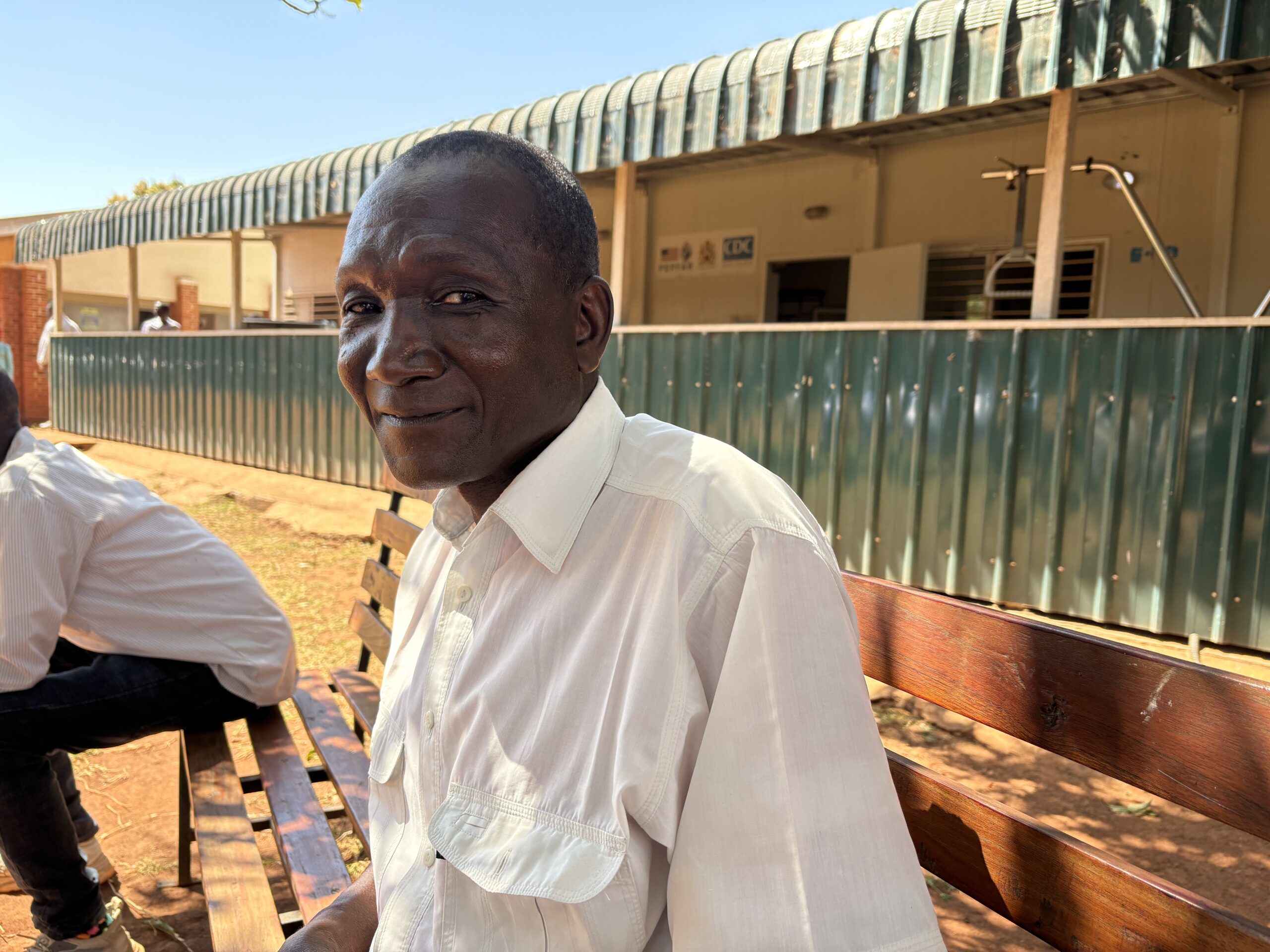
Handsome Chale

Location: Chitedze |
Date: 08/05/2025
Community health worker
“There are no people to encourage at the facility, no outreach activities so people should be encouraged to come here and get the medication.”

Handsome Chale, who is now 53, was already severely ill when he received his HIV diagnosis in 1990.

It was very difficult at that time to know about the HIV.

At that time, the cost of anti-retroviral treatment, ART, was so high it was essentially a death sentence for most people living with HIV. Chale only survived because his family scraped together enough money to buy him the life-saving medicine.

It was both an emotional and financial relief when the United States, through the President’s Emergency Plan for AIDS Relief, or PEPFAR, and other donors began underwriting the cost of the drugs in the early 2000s in Malawi.

Previously there were a lot of deaths because of HIV. But now, there are no more deaths.

Chale’s experience made him an eager volunteer when the Pamodzi Project started recruiting community health workers, or CHWs, in his area four years ago.

I was selected from my support group after they came here. They said they wanted community facilitators, so I was one of the people chosen to work on the project.

The project, which was also funded by PEPFAR, wanted CHWs to visit people living with HIV who were having a hard time sticking to treatment. Chale’s job was to try to convince them to return to the Chitedze Health Clinic, where he was based, and restart their ART.

Their reasons for defaulting often had to do with the area where they are living. Chitedze is a sparsely populated and poor area of central Malawi. Some patients complained that the distance to the clinic was too far and transportation costs too dear. Others had been met with job opportunities that they couldn’t afford to turn down, even if it took them out of town for months.

As he met with people, Chale drew on his own memories to try and make them understand what a privilege it was to even have access to affordable ART. He encouraged them to prioritize their health. He allayed any fears they had about the drugs’ side effects.

They need to know why they are on treatment and why they are not going to get the treatment. And then after that, we were counseling them. And then encouraging them to go back to get the treatment.

He even held their hand and walked them back to the clinic.

I would visit them again and again until they came back for treatment.

He did this three days every week, leaving a little time for his work as a motorcycle taxi driver. The CHW gig covered his fuel and paid for a meal, but little else.

Earlier this year, he was abruptly fired from the project when the Trump administration cut its funding.

They are saying we may have an increase in the death of people with HIV. There are no people to encourage at the facility, no outreach activities so people should be encouraged to come here and get the medication.

In the last three months of 2024, 82 of the roughly 4,500 clients on ARVs at the Chitedze clinic defaulted on their treatment. As rumors of shortages spread, that number climbed to 115 in the first three months of 2025.

The rise in people falling off treatment prompted the clinic to call its cadre of former CHWs and ask if they might resume their work. Several agreed, no matter that they would no longer be paid. Chale was among them.

They need to know what is happening. They need people to be coming, giving them that information. They need support.

Newsletter

For exclusive reporting on the impact of the U.S. aid cuts, subscribe to a free newsletter