

The uncertain future
of the global AIDS response

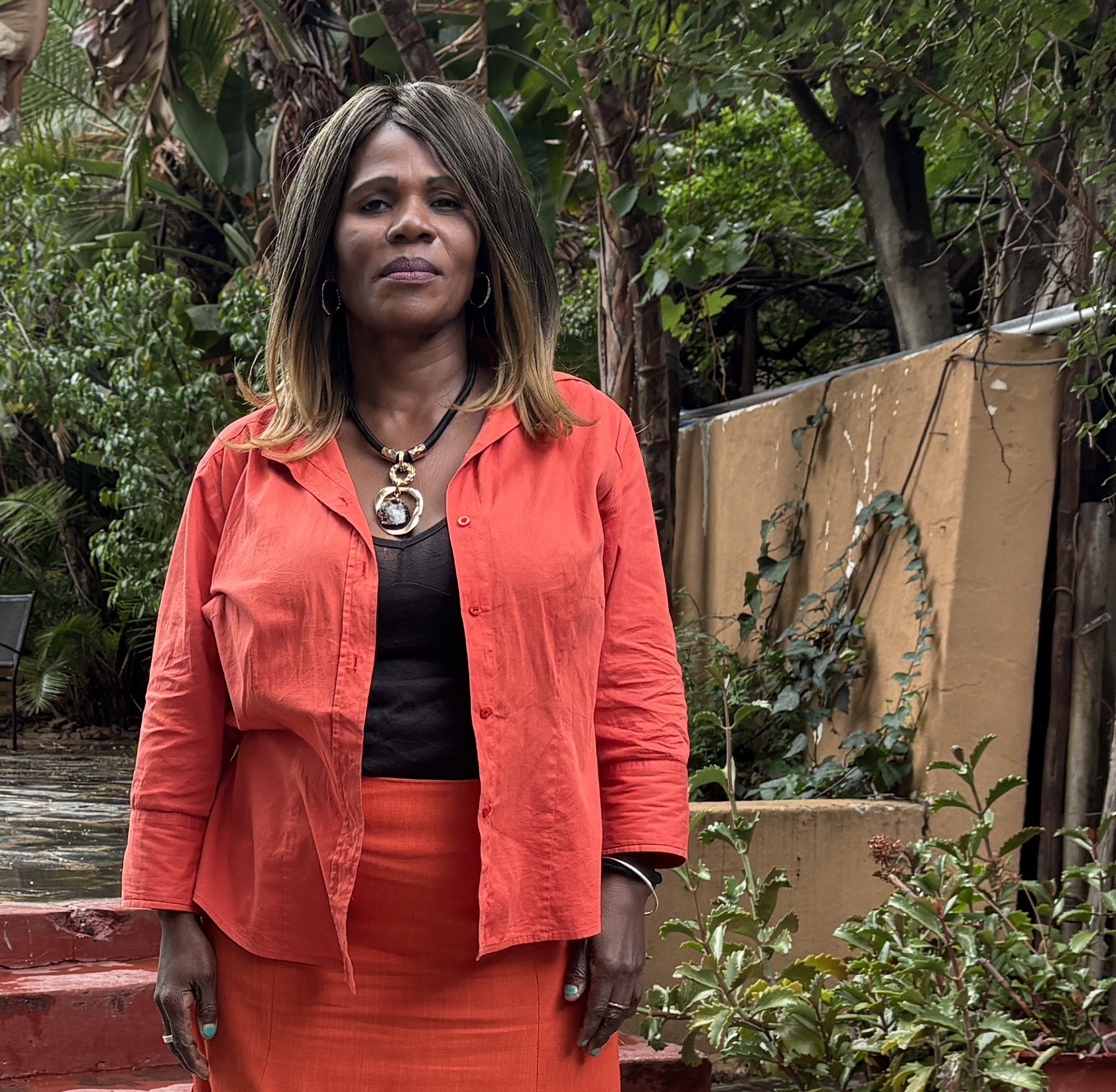
Kelebogile Marope

Location: Lobatse |
Date: 11/15/2025
“We live by hope. We are still living by the hope that maybe something will change.”

Kelebogile Marope went to a nearby clinic for her annual blood tests in early October. A month later, she returned to the facility for the results.

Marope has been on HIV treatment for more than a decade, so she’s accustomed to this routine. The doctor would run through her results, all but certain to confirm that the virus remained undetectable since she took care never to miss a dose. Her clinician had had some concerns about how her kidneys were handling more than a decade of the anti-retroviral therapy. So depending on the results, they were also supposed to discuss switching her to a different medication.

Except those results had not reached the clinic by the time of her follow-up appointment.

They said to wait until the 14th of March next year. I’m worried because I don’t know how are my kidneys working.

Because the results were delayed, her clinician also wouldn’t give her the six-month supply of ARVs that she usually receives. Instead, she only received enough to make it to the March appointment.

I have never had until recently been given for three months. But they told me they are still waiting for the results. They cannot give me the full package for six months because of the results, more so that I have kidney problems. So they said they will wait. They said if their results are okay, that’s when they will add another four months.

It is frustrating, but she knows it could have been worse.

When her brother went to pick up a refill of his ARVs earlier this year, he was given only seven days. He collects his medicine in Mmathethe, the village where they are both from. But he actually works as a cattle herder in a remote outpost with no cell phone signal. When the seven-day supply ran out and it was time to pick up more, the facility was unable to reach him. They called Marope, instead.

They asked me where he was because they couldn’t reach him. His phone was off. I was here in Lobatse because I’m staying here. I told them, He’s at the cattle post. They told me to tell him to go and take the drugs.

Then I asked them, Why didn’t we give him the amount that you used to give him? Then they said, As you can see, we are experiencing shortage of drugs. It’s only that we give some to everybody.

Her brother received his refill, but only after walking two hours to the clinic.

He doesn’t have transport fare to go there.

The supply of ARVs at his clinic appears to have stabilized, but she worries what will happen if it falters again. It’s not reasonable to expect someone in his position to travel every week to the clinic.

Once at the vanguard of Africa’s HIV response, Botswana’s programs is now in disarray.

This is a result, in part, of an economic downturn that has disrupted the Batswana government’s ability to purchase medicines. The gaps grew so severe that officials declared a public health emergency in August.

There is not only ARVs which is on shortage. Even the general medication. Can you imagine going to the clinic and you are told that there is no paracetamol?

But the problems have been exacerbated by the cuts the Trump administration has made in its support for the country’s HIV programs. The delays in test results began after Washington fired technicians and terminated services to deliver the blood samples to laboratories and then return results to clinics.

After more than 10 months, neither the Batswana or the U.S. government has restored those services.

We live by hope. We are still living by the hope that maybe something will change. We are in a danger zone.

Newsletter

For exclusive reporting on the impact of the U.S. aid cuts, subscribe to a free newsletter