

The uncertain future
of the global AIDS response

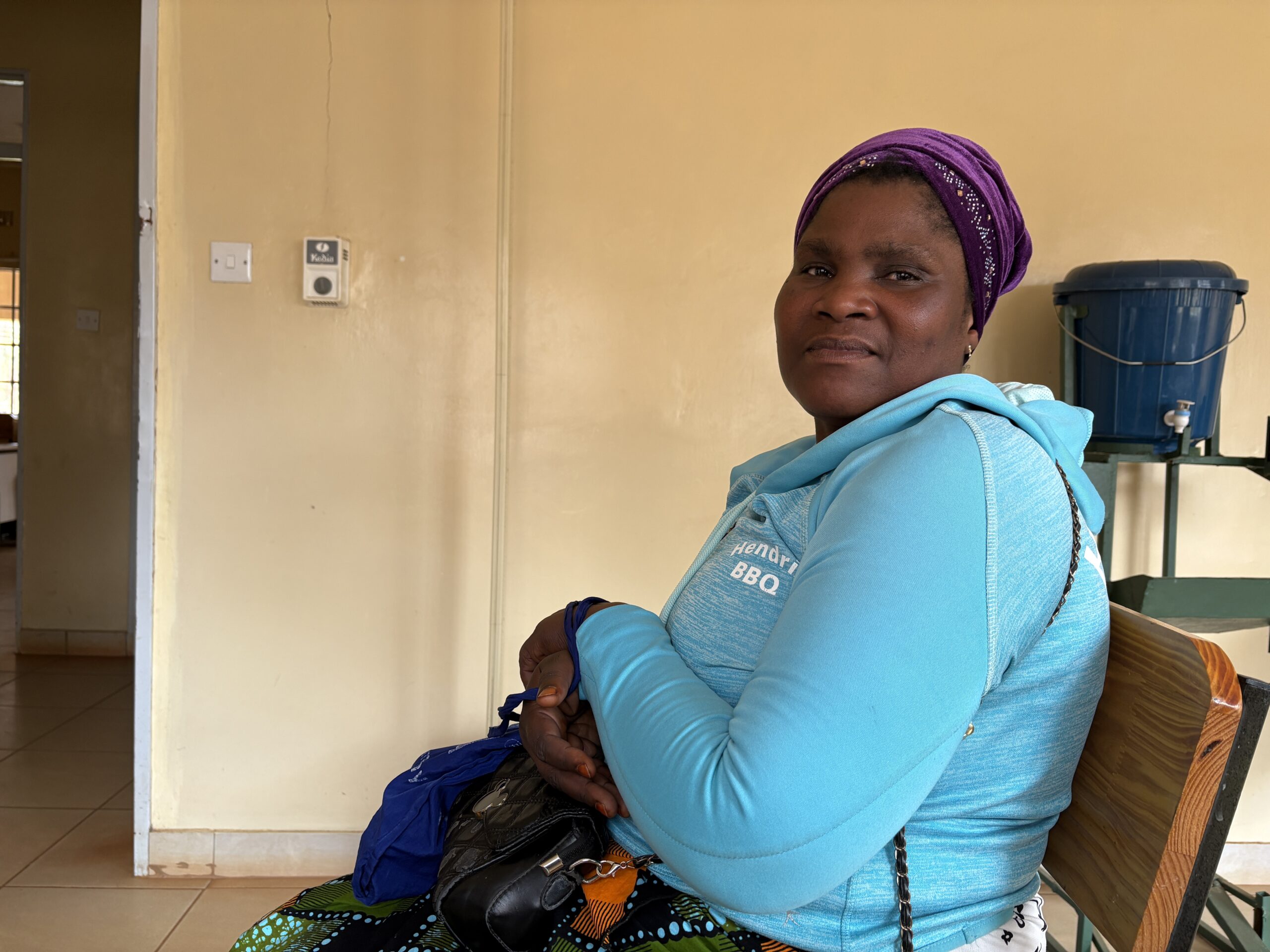
Mercy Mdoka

Location: Namitete |
Date: 08/14/2025
“I thought it was finished. I thought there were no ARVs.”

Late on a Wednesday night in mid-August, Mercy Mdoka sat down to draft her will. On a single sheet of paper, she wrote, “Maybe I might die. I’m leaving everything in the hands of my children.”

Mdoka, who lives in Malawi’s capital, Lilongwe, had been suffering unbearable pain for months. It was like being stabbed in the heart and in the side over and over again.

It started in early February soon after she ran out of her regular HIV medicine. By July, it had grown so intense the 46-year-old was forced to give up her work selling spare bicycle parts.

With her husband in Angola driving long-distance hauls, Mdoka soon had to turn over the care of their 11-year-old daughter to her parents. Their other daughter, 21, and son, 18, were already fending for themselves.

I thought I should just wait for my day to die. I stopped doing anything.

As for many across sub-Saharan Africa, Mdoka’s suffering can be traced to January 24, when President Trump’s administration froze all U.S.-supported aid projects. In Malawi, commentators on local radio and social media misconstrued the proclamation to mean an end to all HIV services in Malawi.

I heard, ‘Trump has cut funding. Trump has cut aid.’ I was shocked. I was so disappointed.

Above all, she was scared.

Mdoka, who was diagnosed with HIV in 2020 and had been on life-saving treatment ever since, only had seven anti-retroviral, or ARV, tablets left.

She thought about visiting St. Gabriel’s HIV clinic, where she had been getting her ARV refills for years. But the radio announcers said services had collapsed. And no one from the clinic had gotten in touch to dispel those reports, though they knew she was due for an appointment.

Mdoka trusted St. Gabriel’s. She had gotten her HIV diagnosis there after a spell of ill health. Rather than being devastated by the news, she remembers somehow feeling happy.

Because I knew that I was going to be okay. That I would receive treatment. Some of my family members, they were tested here before and they are still alive to today. So I knew I was also going to survive.

She had continued to go to St. Gabriel’s even after moving away from the area and into Lilongwe, which meant a two-and-a-half hour journey every three months to get more medicine. So when no one from the clinic called, she interpreted the silence to mean the services she had relied on were gone.

She couldn’t know that while Trump’s funding pause had not disrupted ARV distribution at St. Gabriel’s, it had forced from their posts the health workers there whose salaries depended on U.S. aid. That included members of the team who were supposed to keep track of appointments.

The system for inputting patient data also abruptly stopped. It too relied on U.S. support. That meant the remaining staff had to take on the onerous task of handwriting patient records.

It was all they could do to keep the clinic’s basic operations running. There was no time to make calls to patients to reassure them services were still operating.

Mdoka and her husband, who is also HIV-positive, made a plan. Some friends had told them they could travel to neighboring Zambia and purchase ARVs on the black market. Her husband had to go there anyway for a hauling job. She would join him.

After an 18-hour drive split in half by a border crossing, they met the seller at a market in Ndola, a town in Zambia’s central mining region. Mdoka brought 15,000 kwacha, or about $17, which was all the money she had. In exchange, the seller gave her a month’s supply of pills. When she opened the bottle, she noticed they were a different color and shape from her regular ARVs, but he assured her they would work.

She returned home and started taking them. The pain emerged soon after. It was the same ache across her middle she had felt before she was first diagnosed.

When the black market supply ran out, she started taking some ARVs her husband had left behind after he left for the opportunity in Angola. The pain grew worse.

Somewhere along the way, a health worker from St. Gabriel’s finally called. He asked where she had been. He told her that ARVs were still available.

The call came too late to assuage Mdoka. She did not believe him. And she would not waste what little money she had left on a specious journey.

As weeks passed and the pain intensified, she grew certain she was dying. She gave up her business. Then her family. She sat alone in her home, waiting for the end.

She found that her thoughts fixed on that call from St. Gabriel’s. On whether it might have been genuine.

Mdoka found some strength and a few items to sell. Enough to get her to Namitete. Still convinced she would die, she drafted the brief will the night before she left. The next morning, she was up at 4 a.m. for the bus. It dropped her off hours later alongside the red dirt road that leads to the hospital.

She approached the guard lazing by the gate and asked him if “it was still working there?”

He nodded. She felt sheepish and began to explain to him why she had stayed away for so long.

I thought it was finished. I thought there were no ARVs.

He beckoned her inside.

He said, ‘I should go. Medications are there.’

When she arrived at the clinic, the health worker Mdoka consulted scolded her. He warned her she might face complications. The virus had almost certainly started to regather and may have built an immunity to the cocktail of ARVs she had been taking. She would need regular tests and perhaps a different regimen until health workers were certain the virus was in check again.

At first she tried to make him understand all that she had done to protect herself. But ultimately she just gave over to a feeling of relief.

I have a life ahead.

First, though, there was a will to tear up as soon as she reached home.

Newsletter

For exclusive reporting on the impact of the U.S. aid cuts, subscribe to a free newsletter